


Growing internationally without standardizing.
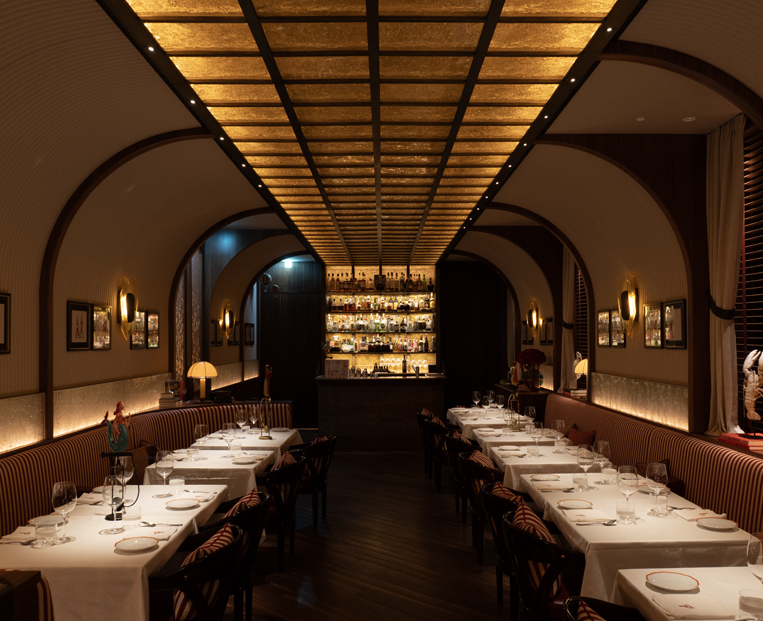
For contemporary hospitality, the challenge is not to replicate a format from one city to the next, but to build an identity strong enough to transform itself on contact with each new place.
This is where Luce5 stood alongside Langosteria between 2025 and 2026, on three of its most recent locations: Palazzo Fendi in Milan, the Porto Vecchio in Porto Cervo, The OWO in London. Lighting design, custom solutions, fixtures and installation, sometimes as a native project, sometimes as technical and executive support.
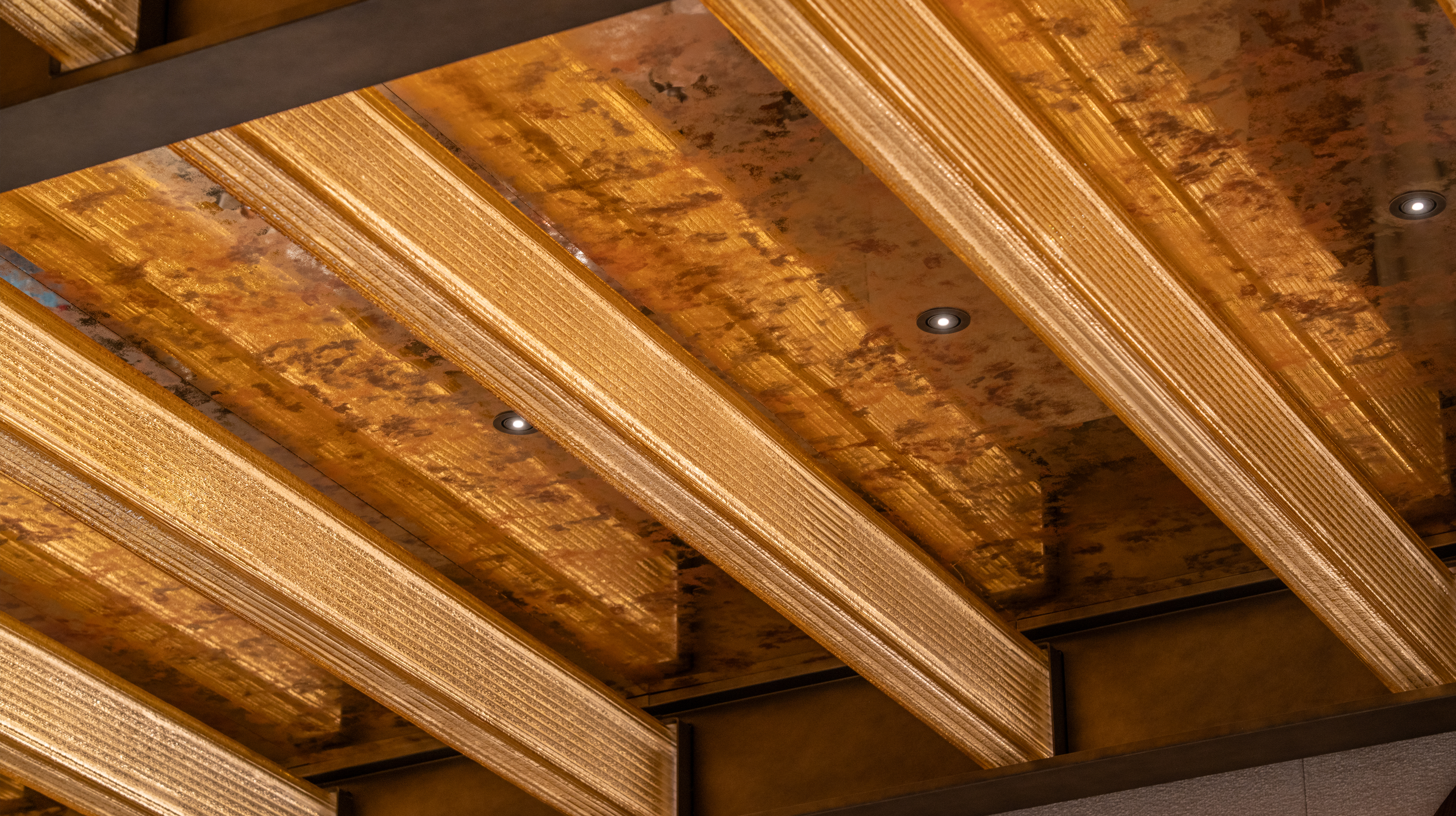
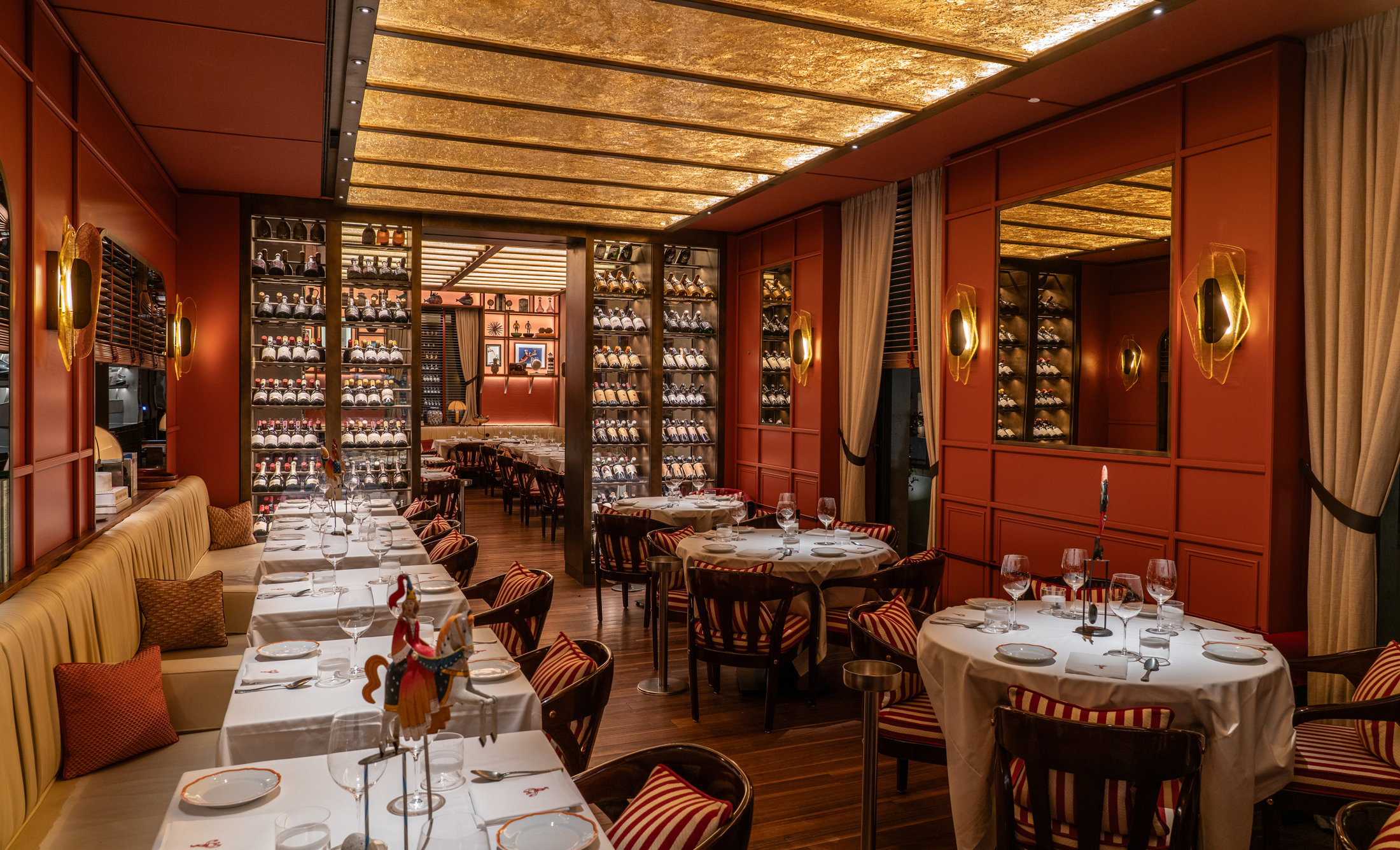
In Milan, in the heart of the Quadrilatero della Moda, light accompanies the passage between spaces of different functions and materials. Volumes and reflective surfaces become part of the project: some elements emerge, others deliberately recede, in a sequence that guides guests from one level to the next. The solutions were developed in dialogue with InOpera.
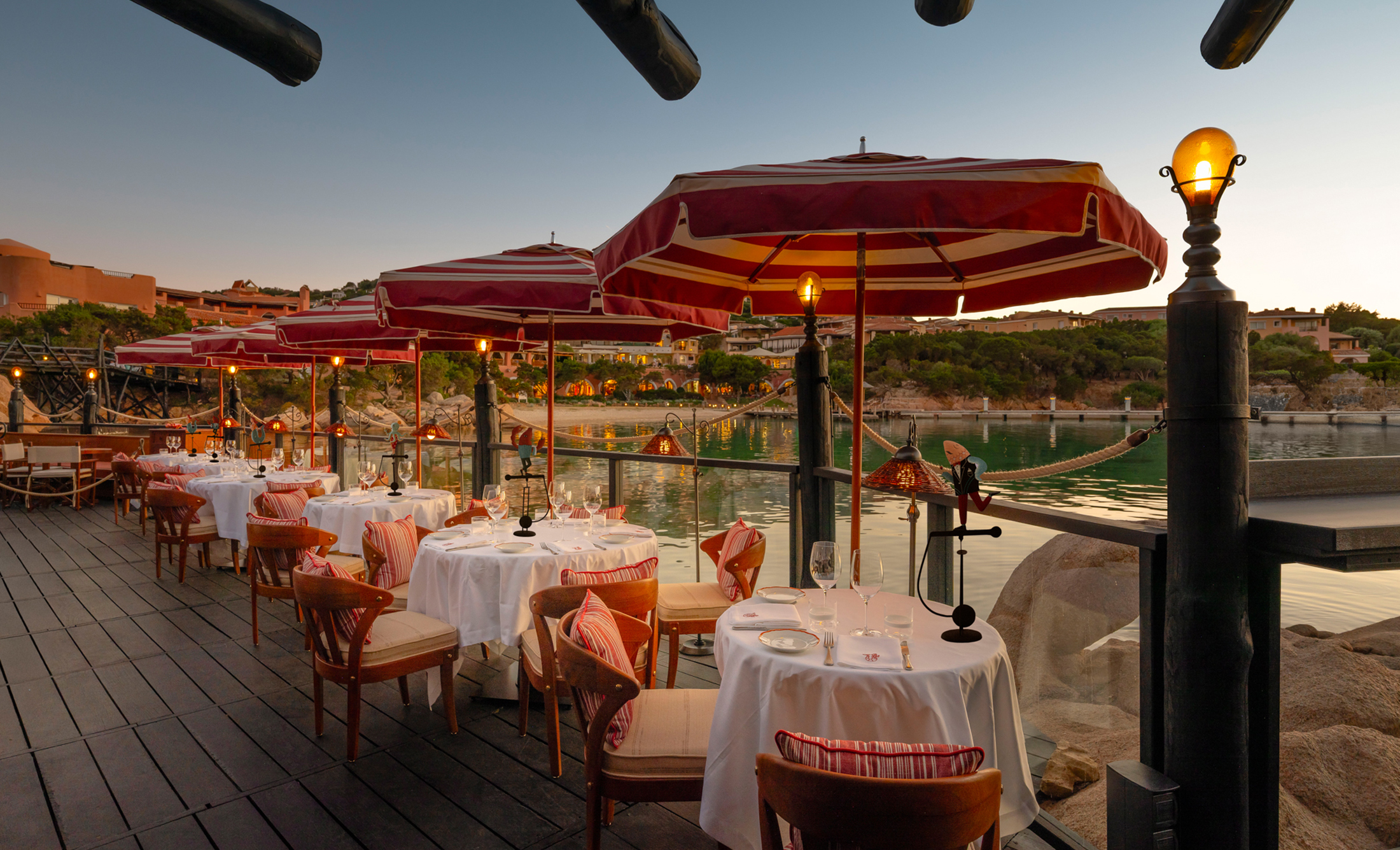
In Porto Cervo, the landscape is the starting point. Light slips between the reeds of the ceiling, follows the texture of the white plaster, reveals the exposed cellars, while the cliff, lit by a dedicated solution, marks the shift from sunset to evening. Not a set design, but the place itself, with its water, its materials and its changing natural light, giving the project its character.
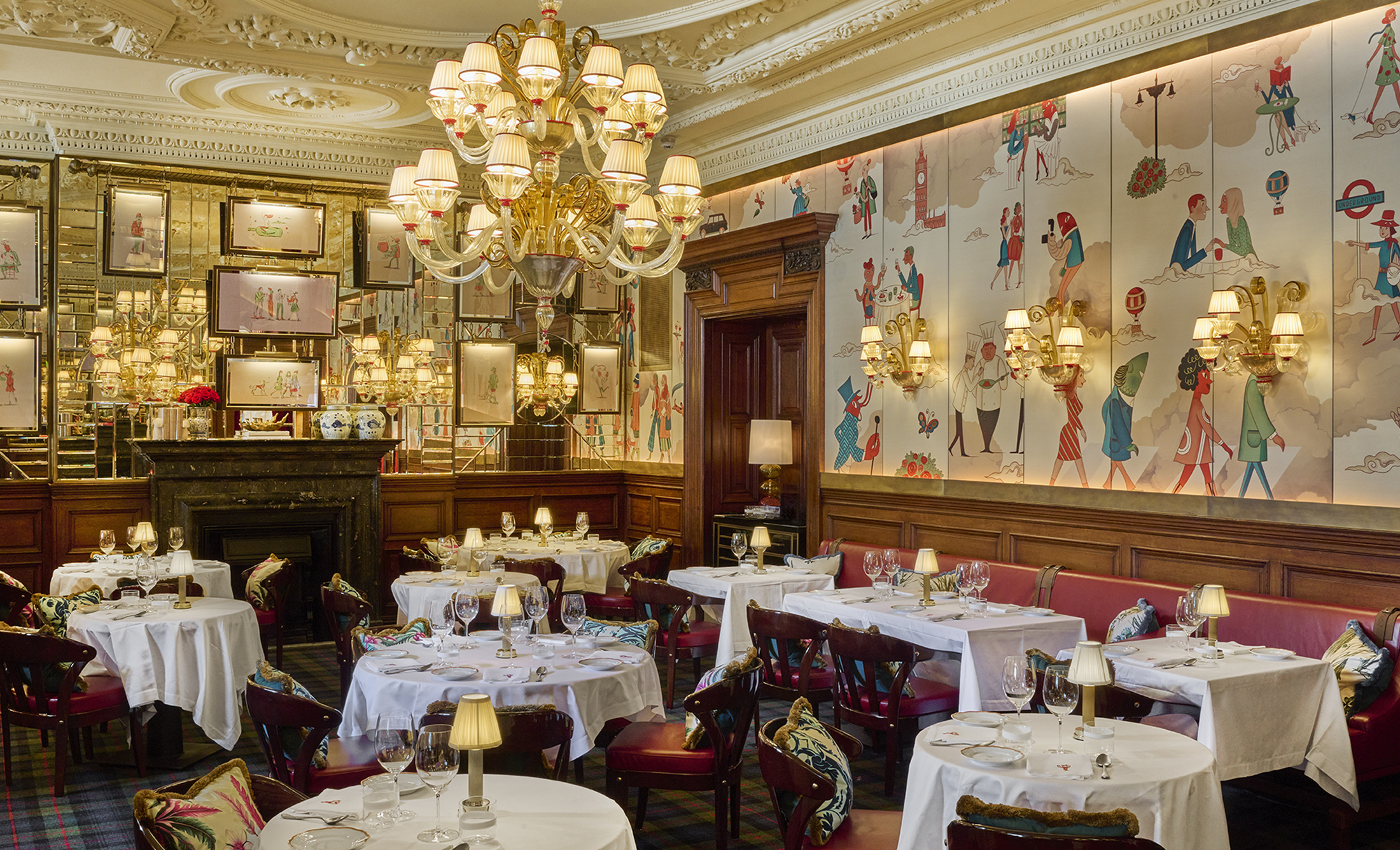
In London, inside the former Old War Office, the encounter is with history. In the Historical Room, among stone fireplaces and hand-embroidered silks, light reveals rather than transforms, and the technology stays almost invisible. In the Main Dining Room and the adjoining spaces, the dialogue turns more contrasting, enhancing the depth and materiality of the surfaces.
Continuity does not lie in repeating the same fixtures or the same atmospheres, but in a method capable of reading each place anew. Light is the matter that makes continuity in difference possible: a global identity that remains recognizable precisely because it can take different forms.